
A LinkedIn profile picture test helps you see whether your photo still looks clear after LinkedIn places it inside a small circular frame. Uploading a good source image is only the first step: the final crop, scale and surrounding interface determine what people actually notice.
Use the free TestProfilePicture tool below to position, zoom and rotate your image while viewing it in an app-style LinkedIn preview. The preview is designed to show the photo in context rather than as an isolated circle.
See exactly how your profile picture will look
Upload once, adjust the crop and preview your photo inside the selected social app before you publish it.
Drag directly on the profile image to reposition it. Use the rotation slider for precise free rotation.
🔒 Your image is processed privately on your device and is never uploaded.
How your profile picture appears on LinkedIn
On LinkedIn, the same image can appear in several sizes. Visitors may see it in a professional profile header, search result, comment, connection request and compact identity card. A crop that looks balanced in a large editor can feel too distant, dark or busy once it is reduced.
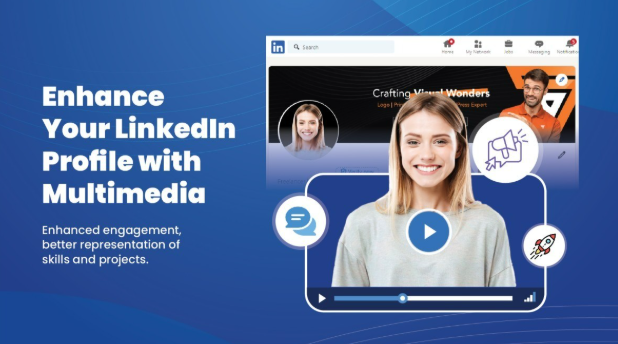
Best image setup for a LinkedIn profile picture
Begin with the largest, sharpest original you have. A square source is easiest to manage, but a portrait or landscape photo can work when there is enough room around the subject.
For practical dimensions and export guidance, see our Profile Picture Size Guide.
- Use even lighting and a simple background.
- Crop from the upper chest or shoulders upward.
- Choose an expression that fits the role and industry.
- Keep the face large enough to remain recognizable at small size.
Use a safe area instead of filling the entire circle
The most common cropping mistake is making the face fill almost every part of the preview. This leaves little margin for different LinkedIn placements and can make the portrait feel cramped.
Keep the eyes, hair, glasses and facial features comfortably inside the central area. If you want more help with framing, read How to Crop a Profile Picture.
How to test the LinkedIn crop step by step
- Upload the original image instead of a screenshot from another app.
- Select the LinkedIn preview.
- Drag the image until the face is centered naturally.
- Zoom carefully and leave breathing room around the head and shoulders.
- Rotate the image if the horizon or shoulder line looks uneven.
- Check the smaller preview to make sure your face remains recognizable.
- Download the high-resolution PNG when the result looks balanced.
Why a high-resolution download matters
A LinkedIn profile picture can look blurry when the original image is too small, has been repeatedly compressed or is enlarged too much during cropping.
Exporting a high-resolution master gives LinkedIn more image detail to work with when it generates smaller versions.
If your photo still looks soft or unclear, read Why Profile Pictures Look Blurry.
LinkedIn profile picture tips that improve recognition
The most useful LinkedIn profile picture tips focus on context. Your image appears in search results, comments, connection requests and professional profiles, so the best crop is not necessarily the one that looks most dramatic at full size.
Aim for a trustworthy, approachable head-and-shoulders portrait with natural contrast.
- Use a recent photo that still resembles you.
- Frame the head and shoulders with comfortable space above the hair.
- Choose clothing that fits your industry without looking forced.
- Use soft front lighting and a calm background.
- Check whether your expression feels confident and approachable.
For more detailed advice, see our LinkedIn Profile Picture Tips.
A practical five-minute LinkedIn profile picture review
First, view the smallest preview and ask whether you are immediately recognizable without reading your name. Next, compare the image with surrounding interface elements. Then check that hair, glasses and shoulders have enough breathing room around the circular edge.
What to test before downloading
- Recognition at small size.
- Balance inside the circular crop.
- Contrast between the face and background.
- Sharpness after zooming.
- Whether the image feels appropriate for your professional profile.
Common LinkedIn profile picture mistakes
- Using an old photo that no longer represents you.
- Cropping too tightly around the face.
- Using a distracting office or event background.
- Applying aggressive beauty filters.
- Using a full-body photo where the face becomes too small.
- Starting with a low-resolution or compressed image.
Compare your profile picture across platforms
If you use the same photo on more than one social platform, it can help to compare the crop in different interfaces.
- Profile Picture Tester
- Instagram Profile Picture Preview
- Facebook Profile Picture Preview
- Profile Picture Size Guide
Frequently asked questions
Does LinkedIn use a square or circular profile picture?
A square image is normally uploaded, while the visible presentation is commonly circular in the interface. Keep important details inside the center so the same master file remains useful across placements.
What makes a good LinkedIn profile picture?
A strong LinkedIn profile picture is recent, clear, well lit and easy to recognize at a small size. A simple background and natural head-and-shoulders crop usually work well.
Should I smile in my LinkedIn profile picture?
There is no single correct expression, but your face should look natural, confident and appropriate for the type of professional impression you want to make.
Will the tool upload or store my photo?
The photo editing process runs locally in your browser. The image is not intentionally uploaded to TestProfilePicture for processing or storage.
What file should I download?
PNG is a reliable choice for a clean, high-resolution master image. High-quality JPEG files can also work well for photographs.
Can the actual LinkedIn interface change?
Yes. LinkedIn can update its layouts and display sizes. The preview is a practical simulation of common placements, not an official or permanent reproduction of the platform.
TestProfilePicture.com is not affiliated with or endorsed by LinkedIn. Platform names and marks belong to their respective owners.
Use the free profile picture tester to compare the crop in context, then download a high-resolution PNG when the result looks balanced.